Introduction
At Eco Branding Lab, we see a clear shift: today’s consumers are more aware of sustainability than ever before. Yet awareness doesn’t always translate into action. Hence , the increasing importance of Sustainable Marketing Insights. Shoppers may care about the environment, but when faced with higher prices, convenience issues, or too many choices, they often revert to old habits.
This is where sustainable marketing insights rooted in psychology come in. By understanding why people behave the way they do, brands can design strategies that nudge consumers toward eco-friendly decisions—without making them feel pressured.
In this article, we’ll explore 5 proven psychological strategies for sustainable marketing, highlight Indian brand case studies, and examine how psychology can help shape a greener marketplace.

Understanding the Link Between Psychology and Sustainable Marketing
Why Facts Alone Don’t Drive Sustainable Choices
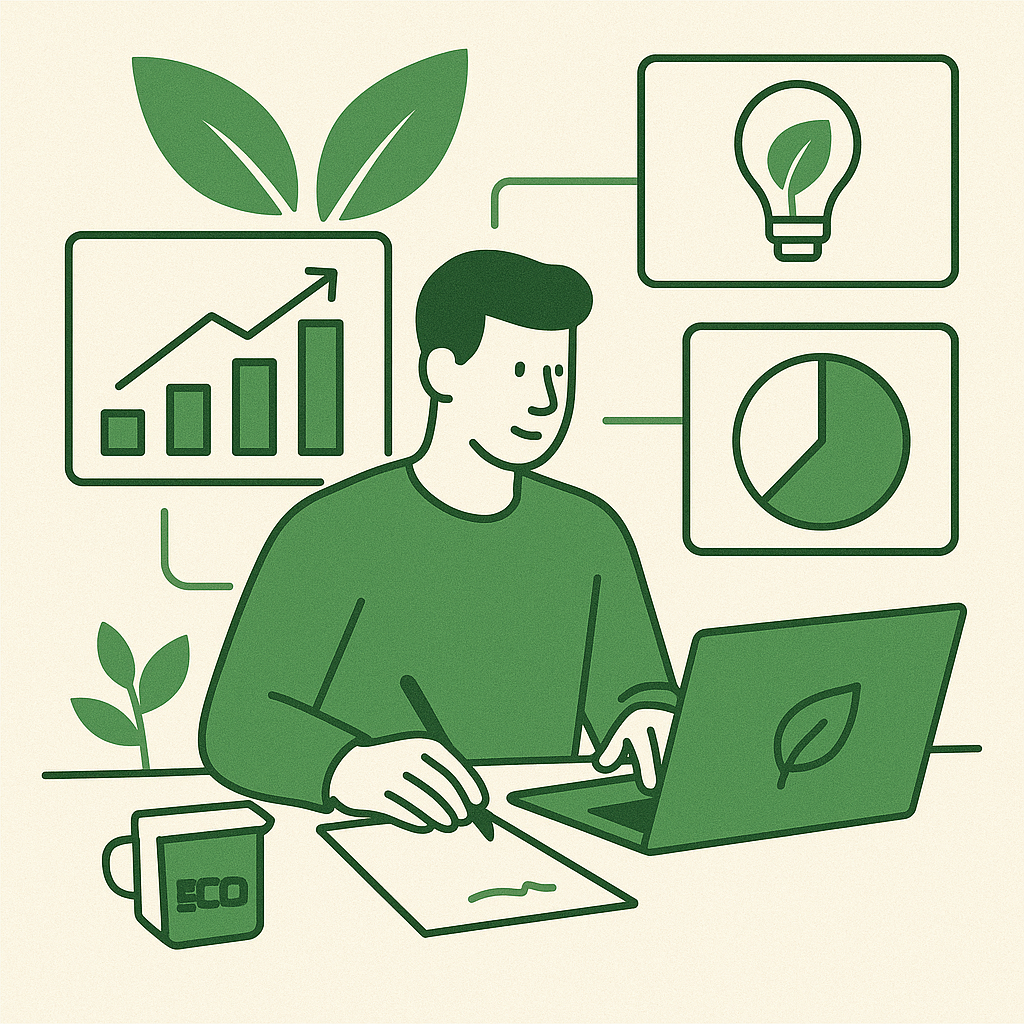
Marketers often assume that information = action. But psychological research proves otherwise. People rarely change their habits just because they “know better.” Instead, decisions are shaped by emotions, habits, and mental shortcuts.
For example, simply telling consumers that plastic harms the environment rarely changes purchasing behavior. But showing them that their peers are already switching to cloth bags creates a stronger influence.
The Role of Cognitive Biases in Decision-Making
Human behavior is influenced by subconscious biases:
- Anchoring: We judge eco-products as “expensive” if compared to cheaper non-eco alternatives.
- Default effect: We stick with the easiest option, even if it’s unsustainable.
- Loss aversion: People fear losing discounts or benefits more than they value eco-benefits.
By leveraging these insights, brands can design marketing that fits human psychology rather than fighting against it.

1. Social Proof: Turning Eco-Choices into a Movement
Humans are deeply social creatures. One of the most powerful psychological drivers of behavior is social proof—the tendency to copy what others are doing, especially when uncertain about the right choice. In marketing, this means that if customers see others embracing eco-friendly products, they are far more likely to follow suit.
The Psychology Behind Social Proof
Social proof is grounded in Cialdini’s principles of persuasion, where people rely on the actions of others to guide their decisions. It plays on our fear of missing out (FOMO) and our need for belonging. Moreover, when sustainability is framed as “what everyone is already doing,” it reduces hesitation and increases adoption.
Marketing Application
Brands can amplify social proof by:
- Displaying eco-purchase statistics (e.g., “80% of our customers now use reusable packaging”).
- Sharing customer reviews, testimonials, and user-generated content (UGC) that highlight eco-conscious behavior.
- Partnering with influencers who embody sustainable lifestyles.
- Using community challenges, such as collective tree planting or recycling drives.
This approach not only normalizes sustainability but also makes it aspirational—something consumers are proud to showcase.
Case Study: Chumbak
Indian lifestyle brand Chumbak successfully leveraged social proof by turning eco-conscious shopping into a social trend. They showcased customers flaunting their eco-friendly collections on Instagram, encouraging buyers to become part of the movement. Influencer collaborations amplified the message further, creating a ripple effect that positioned eco-choices as fun, stylish, and community-driven.
Takeaway for Brands
To harness social proof, brands should make sustainability visible and shareable. Consumers need to feel that choosing eco-friendly products connects them to a larger movement. Every testimonial, hashtag campaign, and social media post should reinforce the idea: “This is what people like us do.”

2. Positive Reinforcement : Rewards Over Guilt
While guilt is often used in sustainability messaging (“save the planet before it’s too late”), research shows it rarely creates long-term change. In fact, guilt can backfire, causing resistance. Instead, positive reinforcement—rewarding eco-friendly behavior—builds repeat habits and brand loyalty.
The Psychology Behind Positive Reinforcement
This insight is rooted in B.F. Skinner’s operant conditioning theory. Behaviors followed by rewards are more likely to be repeated. Therefore, in sustainability marketing, this means rewarding eco-friendly actions—such as recycling, choosing green packaging, or buying energy-efficient appliances—encourages consumers to stick with them.
On the flip side, guilt appeals often trigger reactance, where people resist being told what they “should” do. By reframing eco-actions as beneficial and rewarding, brands remove pressure and add motivation.
Marketing Application
Brands can build positive reinforcement into their sustainability strategy by:
- For Example, offering cashback, discounts, or loyalty points for eco-friendly purchases.
- Highlighting personal benefits like cost savings, health improvements, or convenience.
- Celebrating customers publicly through leaderboards, social shares, or recognition programs.
- Turning sustainability into a status symbol, where rewards boost self-image.
Case Study: Godrej Appliances
Godrej Appliances has been a pioneer in positioning green technology as rewarding. Instead of guilt-tripping consumers about energy waste, they market their energy-efficient refrigerators as “a win for your wallet and the planet.” This dual emphasis on financial savings and environmental impact creates a sense of pride rather than obligation. Customers don’t feel forced; they feel smart.
By linking eco-choices to personal gain, Godrej successfully aligns with middle-class India’s aspiration to save money while doing good.
Takeaway for Brands
Brands should avoid scare tactics and guilt-heavy messages. Instead, design sustainability campaigns that make eco-actions feel like winning choices—financially, socially, and emotionally. As the psychology shows, rewarded behavior gets repeated.

3. Scarcity & Urgency : Driving Quick Eco-Decisions
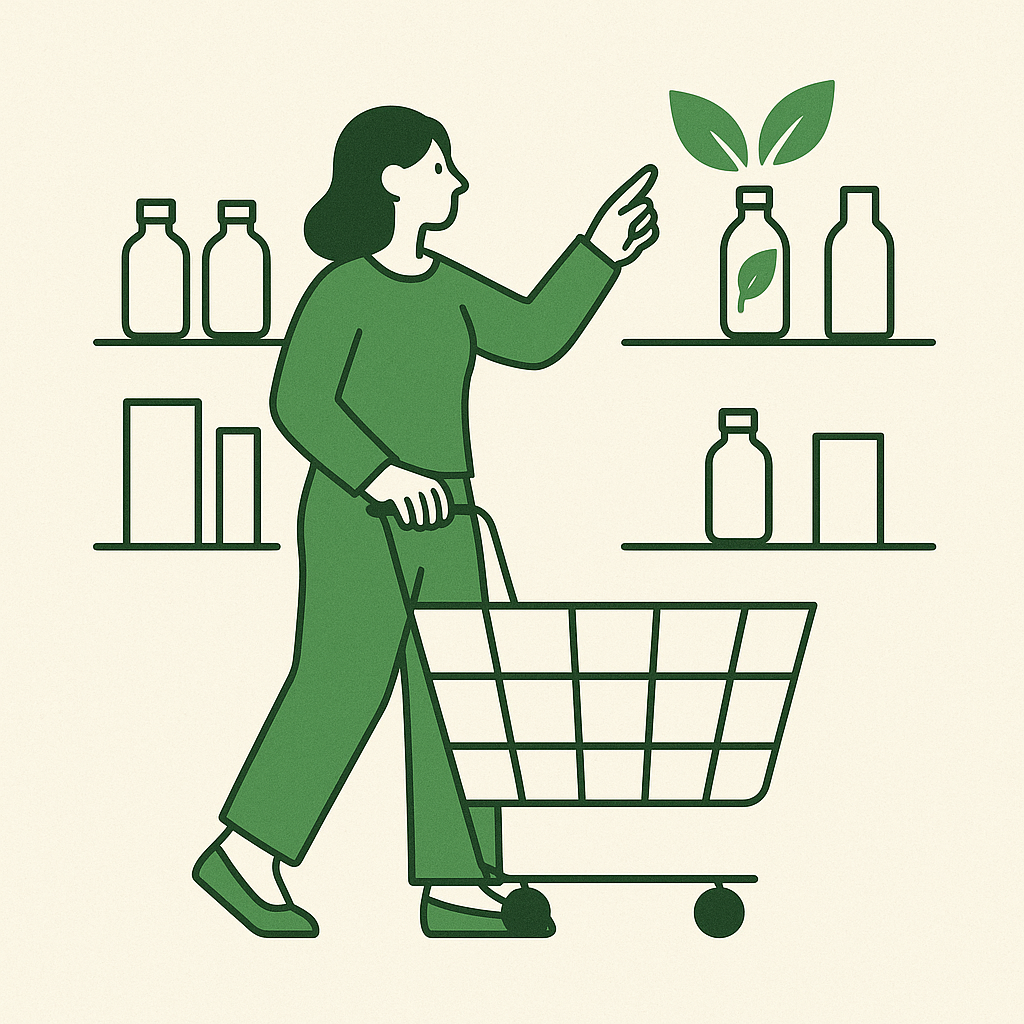
Scarcity is one of the most powerful psychological levers in marketing. People naturally assign higher value to things that are rare, exclusive, or time-bound. When paired with urgency—such as limited-time offers—it triggers FOMO (fear of missing out) and speeds up decision-making.
The Psychology Behind Scarcity
According to Prospect Theory in behavioral economics, people fear losing opportunities more than they value gaining them. This “loss aversion” makes them act quickly when they feel something may disappear. In sustainability marketing, this works when eco-products are framed as exclusive, rare, or soon-to-end.
Marketing Application
Brands can use scarcity and urgency by:
- Launching limited-edition eco-friendly products.
- Promoting flash sales or time-sensitive offers on green products.
- Highlighting low stock availability (“Only 5 eco-friendly hampers left!”).
- Linking urgency to seasonal moments, like World Environment Day campaigns.
This strategy makes eco-choices not only responsible but also exciting and time-sensitive.
Case Study: Fabindia
Fabindia has mastered this technique by launching limited-edition sustainable clothing collections. These collections, rooted in artisanal handlooms and natural fabrics, are positioned as rare and culturally significant. Customers feel the urgency to buy, not only because of exclusivity but also to support artisans. This dual framing—scarcity plus social good—increases purchase intent.
Takeaway for Brands
Scarcity must be authentic. Overuse risks frustrating customers. But when done right, it can make eco-products aspirational, encouraging faster adoption while reinforcing their unique value.

4. Nudging with Defaults: Making Sustainability Effortless
One of the biggest barriers to eco-friendly adoption is effort. If sustainable choices require extra time, clicks, or money, many consumers opt for convenience. That’s where nudges come in—subtle design changes that make eco-friendly behavior the default option.
The Psychology Behind Nudges
Research in behavioral economics shows that people are more likely to stick with default settings than actively change them, even when alternatives are available. This “default effect” works because humans prefer the path of least resistance.
For sustainability, making eco-options the easiest choice increases adoption without forcing it.
Marketing Application
Brands can integrate nudges by:
- Setting eco-friendly delivery options as the default (e.g., no plastic cutlery unless requested).
- Offering digital receipts automatically instead of printed ones.
- Pre-selecting eco-packaging for online shopping carts.
- Highlighting eco-options visually (green check marks, badges, priority placement).
Nudges are effective because they remove friction while giving consumers a sense of autonomy.
Case Study: Ola Cabs
Ola Cabs has applied nudging effectively through its app interface. By prominently displaying Ola Share and Ola Electric as recommended ride options, the company subtly encourages sustainable travel. Riders still have the freedom to choose, but the eco-options are more visible and convenient. Over time, this gentle push helps normalize eco-rides.
Takeaway for Brands
Nudging is about designing choices, not forcing them. By making sustainability the default path of least resistance, brands can achieve significant behavioral shifts with minimal resistance from customers.

5. Identity Effect : Linking Eco-Choices to Self-Image
When people make purchasing decisions, they aren’t just buying products—they are buying symbols of identity. A growing body of research in consumer psychology shows that individuals choose brands that align with their self-concept and the image they want to project to others. This is known as the identity effect.
In sustainability marketing, this principle is incredibly powerful. Eco-friendly products can serve as identity markers, allowing consumers to signal that they are responsible, conscious, modern, and even aspirational.
The Psychology Behind the Identity Effect
Psychologists describe consumer behavior as an extension of the self-concept theory—people define themselves by what they own and consume. When eco-friendly choices align with an individual’s values, they don’t feel like sacrifices. Instead, they feel like a form of self-expression.
Moreover, according to social identity theory, individuals derive pride and belonging from the groups they associate with. Buying sustainable brands allows consumers to join the growing global tribe of eco-conscious citizens, reinforcing their sense of purpose and belonging.
For example:
- A shopper who carries a reusable jute bag signals environmental consciousness.
- Driving an electric vehicle projects modernity and responsibility.
- Wearing organic cotton clothing reflects a commitment to wellness and nature.
These actions go beyond functionality—they become identity statements.
Marketing Application
To leverage the identity effect, brands must position sustainability as a lifestyle choice that reflects who the customer aspires to be. This involves:
- Brand storytelling that connects eco-products with values like authenticity, mindfulness, and prestige.
- Premium positioning of eco-friendly goods, making them aspirational rather than utilitarian.
- Encouraging customers to share their eco-choices on social media, turning sustainability into a form of status signaling.
- Creating tribal branding, where being part of the brand means belonging to an eco-conscious community.
This approach works particularly well with millennials and Gen Z, who are more likely to adopt sustainability as part of their personal identity and brand loyalty.
Case Study: Forest Essentials
Indian luxury Ayurvedic brand Forest Essentials is a textbook example of the identity effect in action. The company has positioned its products as luxury, eco-friendly Ayurveda, using natural ingredients, cruelty-free testing, and eco-conscious packaging.
For their consumers, purchasing Forest Essentials isn’t just about buying skincare—it’s about aligning with a conscious, luxury lifestyle. Customers feel that by choosing these products, they signal sophistication, wellness, and care for the planet.
By combining cultural heritage, sustainability, and luxury, Forest Essentials transforms eco-friendly choices into identity-driven purchases.
Takeaway for Brands
Eco-friendly marketing succeeds when it appeals to who the customer wants to be, not just what they want to buy. Brands must frame sustainable products as badges of honor—symbols of responsibility, status, and modernity.
In other words, consumers should walk away thinking:
- “This product isn’t just good for the planet—it says something about me.”
When sustainability is tied to identity, it creates deep emotional connections that drive loyalty, advocacy, and long-term impact.
It;s a great Website!!!!
Loved the real life case studies. That makes it so much better to understand and even search.
It’s a great blog. The issues are relevant and well articulated. Sustainable marketing is the way to go. Great initiative
Well done. Thoroughly researched article
thank you sir ! means a lot.
Excellent reseach work. Keep it up.
thanks sir ! your encouragement means a lot.
After a long time read something so well researched and real. My compliments. It makes a good read… Well articulated and excellent presentation
thank you so much sir ! I will definitely keep posting insights on sustainable marketing.
Wonderful analysis
thank you so much sir
Well written article correlation with real cases help understand the point better
Great work. Very well articulated and nicely presented. Interesting read.
Well articulated..
Very well written . Explained the concept so simply yet so effectively – great job 👍
Fabulous Article!!!!
A good read. Well researched and fragmented in right manner. Best wishes
Good to read real nice thoughts shaping the future. Sustainable marketing is the only option and the writer has done an excellent work in highlighting how to go about achieving that.
thank you sir ! really grateful to receive such feedback.
A good read. Very nicely articulated and presented. Looking forward to more. Keep it up.
Great!
Found the piece to be quite Insightful –
– you have very practically linked ‘psychology with sustainability’ which I liked!
A NICE ARTICLE
Excellent research work. Keep up the good work. Many laurels in future.
Very insightful, particularly the psychology bit…
Well articulated. Good research work.
Nice article. Well researched.
A very well researched article.
A very well researched article and well articulated.
Very insightful article. I particularly appreciate how you combined research and real-world examples to show that sustainable choices can be easy and rewarding. Thanks for sharing such clear, actionable insights — looking forward to more from Eco Branding Lab.
A very well written article.
A well researched article
A well researched and articulated piece with relatable case studies.
Very nicely researched and brought out kudos
Good research and nicely articulated
A well researched & inspiring blog on eco sustainability…never knew that there is so much psychology behind marketing…your tips are practical which can be utilised by business houses to be eco friendly and also make profits ..well done.
Well written and articulated.
Well articulated and exhaustive research. Kudos
A very insightful article for those intending to understand consumer behaviour. Well researched and articulated. Thank you.
An extremely well thought of research topic which has been thoroughly analyzed to draw logical inferences and tangible take aways. My compliments to the young researcher.
Really enjoyed this piece! Well-researched with strong examples. The way you tied principles of consumer psychology with barriers and catalysts to sustainable choices makes the insights both practical and actionable. Great work!
Thank you Aarha ! your feedback and insights mean a lot to me 🙂 Will post more such blogs on – sustainable marketing soon.
Well articulated.. Sustainable marketing is great and a necessity but it is a challenge in a cost conscious society like ours..
no doubt about it sir. And it’s this pain point that I’ll cover in my next blog.
My biggest takeaway – people don’t need convincing, they need the easy option.